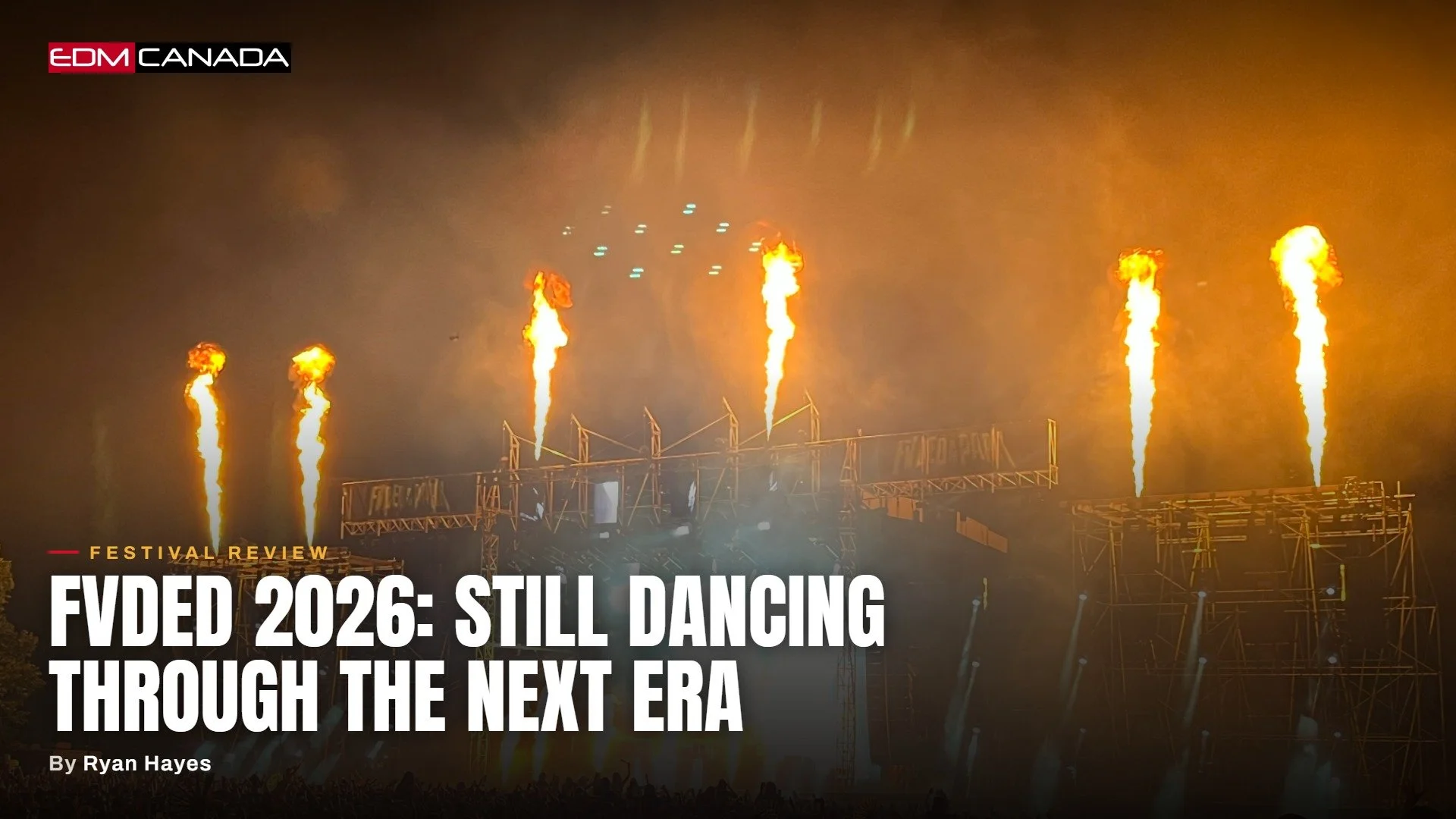
FVDED 2026 Review: Still Dancing Through the Next Era
/
A New Era, A Different Perspective
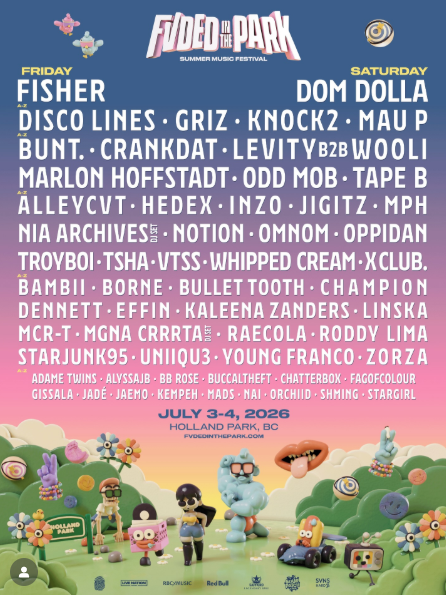
When the lineup was initially announced, we declared FVDED 2026 the beginning of a bold new era for the festival. Having now experienced the weekend in full, I can confidently say it delivered. It was a stronger, more evenly curated festival experience, with exciting artists and memorable moments scattered throughout the depth of the lineup.
But experiencing a festival at this stage of life comes with a different set of considerations. The excitement remains unchanged, the curiosity perhaps even stronger, but the body keeps a very different score.
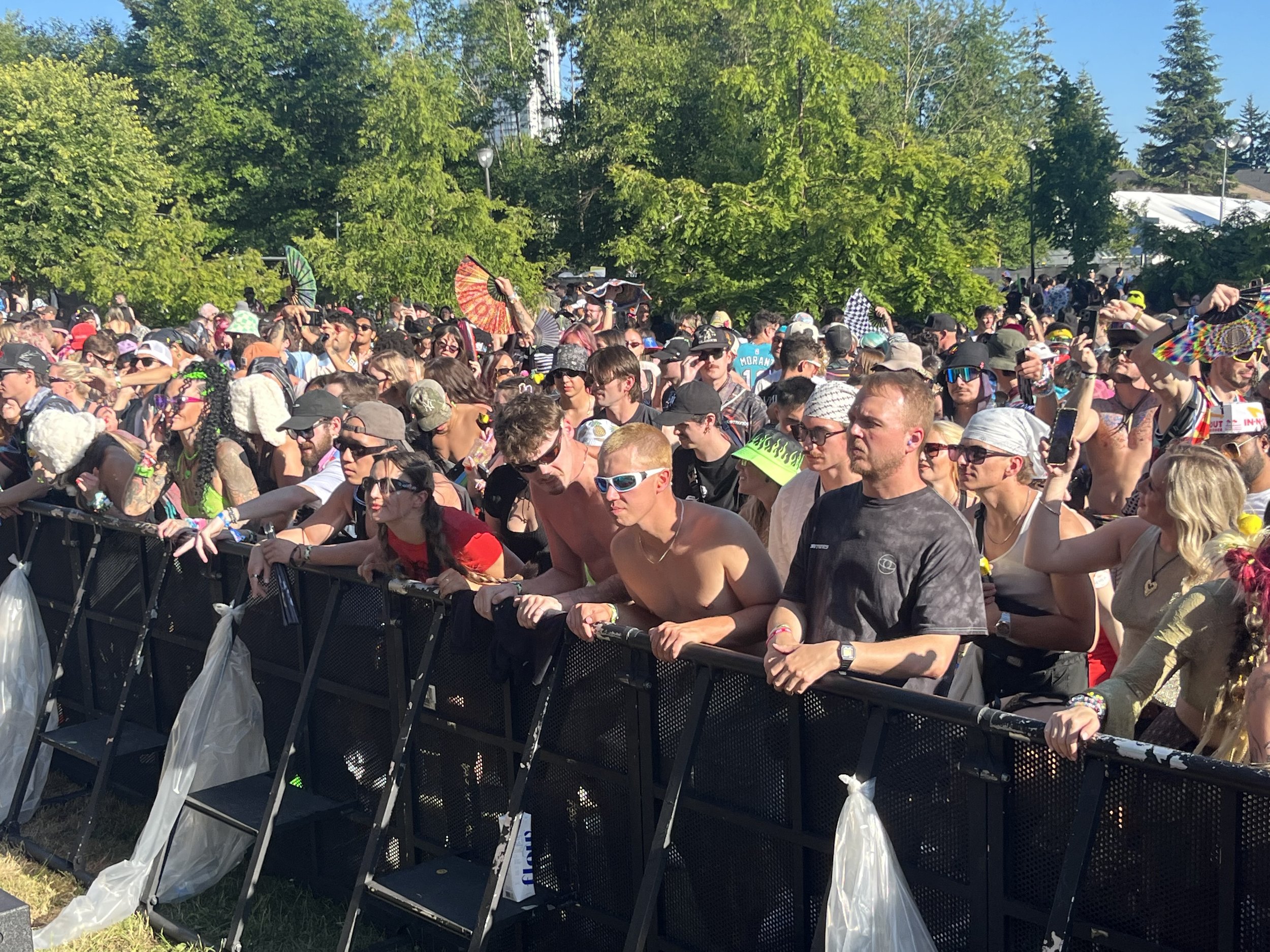
All photos by Ryan Hayes
After pushing through more than fourteen hours of music, one of the biggest adjustments this year was the additional 3,000 attendees. Raising the daily capacity to 27,000 made the mainstage onslaught feel untenable after 7 p.m. Maybe it’s my old knees, the fading energy of youth long past—but I stood in the thick of Kx5 in 2024 and Subtronics in 2025, and the sea of bodies never felt quite this crushing.
From that perspective, VIP has become a necessity for any aging raver looking to attend FVDED’s annual Neverland experience. Escaping the doldrums of responsibility comes at a cost, and VIP is the gatekeeper to a successful weekend.
Not only does it grant access to a palatial raised viewing platform overlooking the mainstage, complete with dedicated food trucks and washrooms, but the VIP areas at both the Forest Stage and Northwest Tent are functionally on stage, providing a priceless vantage point where you truly feel immersed in the music and energy alongside the artists.
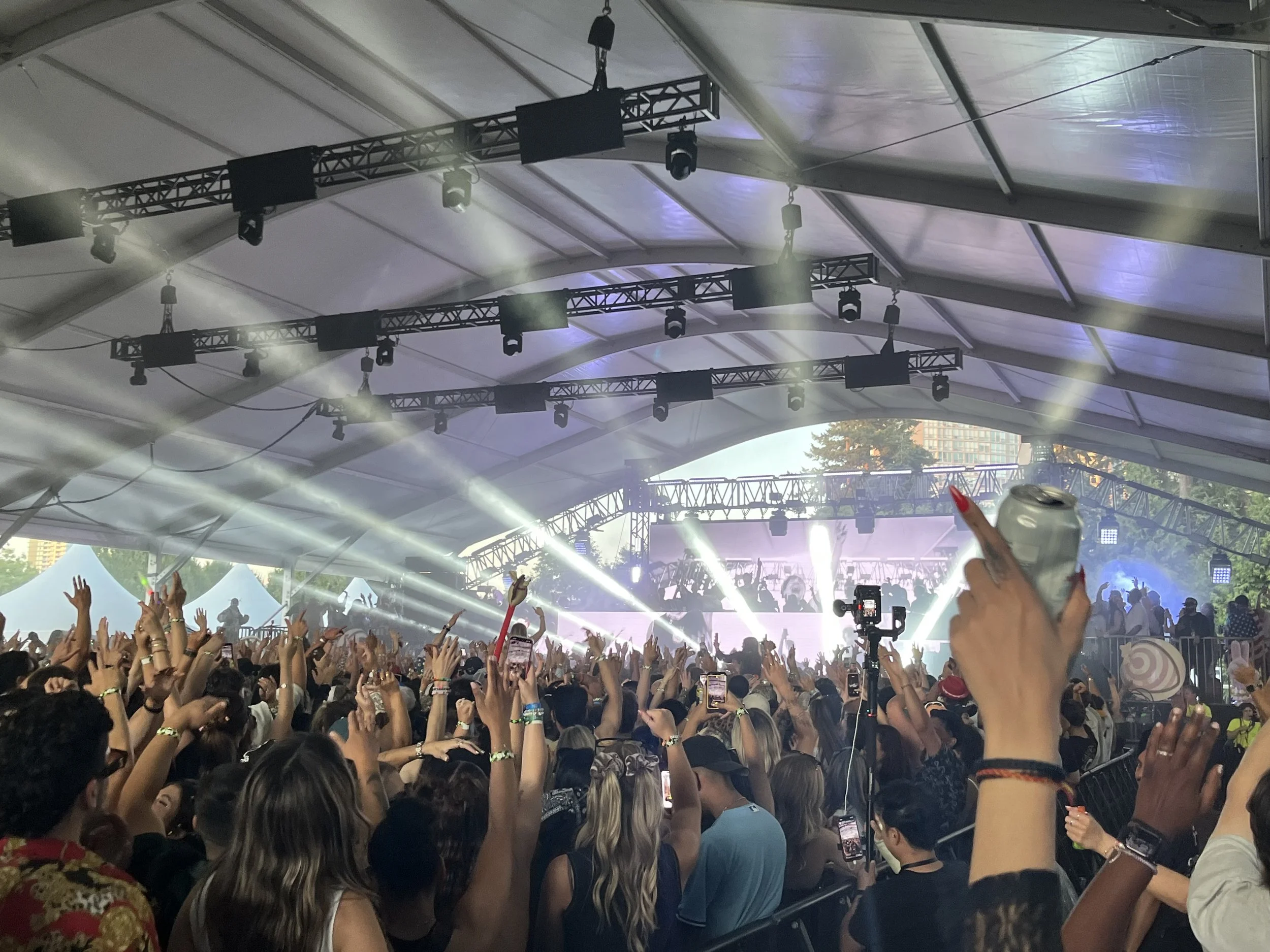
The Forest Stage: FVDED’s Hidden Crown Jewel
While the mainstage was timestamped with an expiration and the Northwest Tent frequently overflowed into a zone where bass from multiple stages blended together, the Forest Stage remained resolute. Over the last two years it has emerged as the king of the festival, boasting the most dialed-in programming, immaculate artist flow, stellar atmosphere, and the most welcoming—least cramped—crowds.
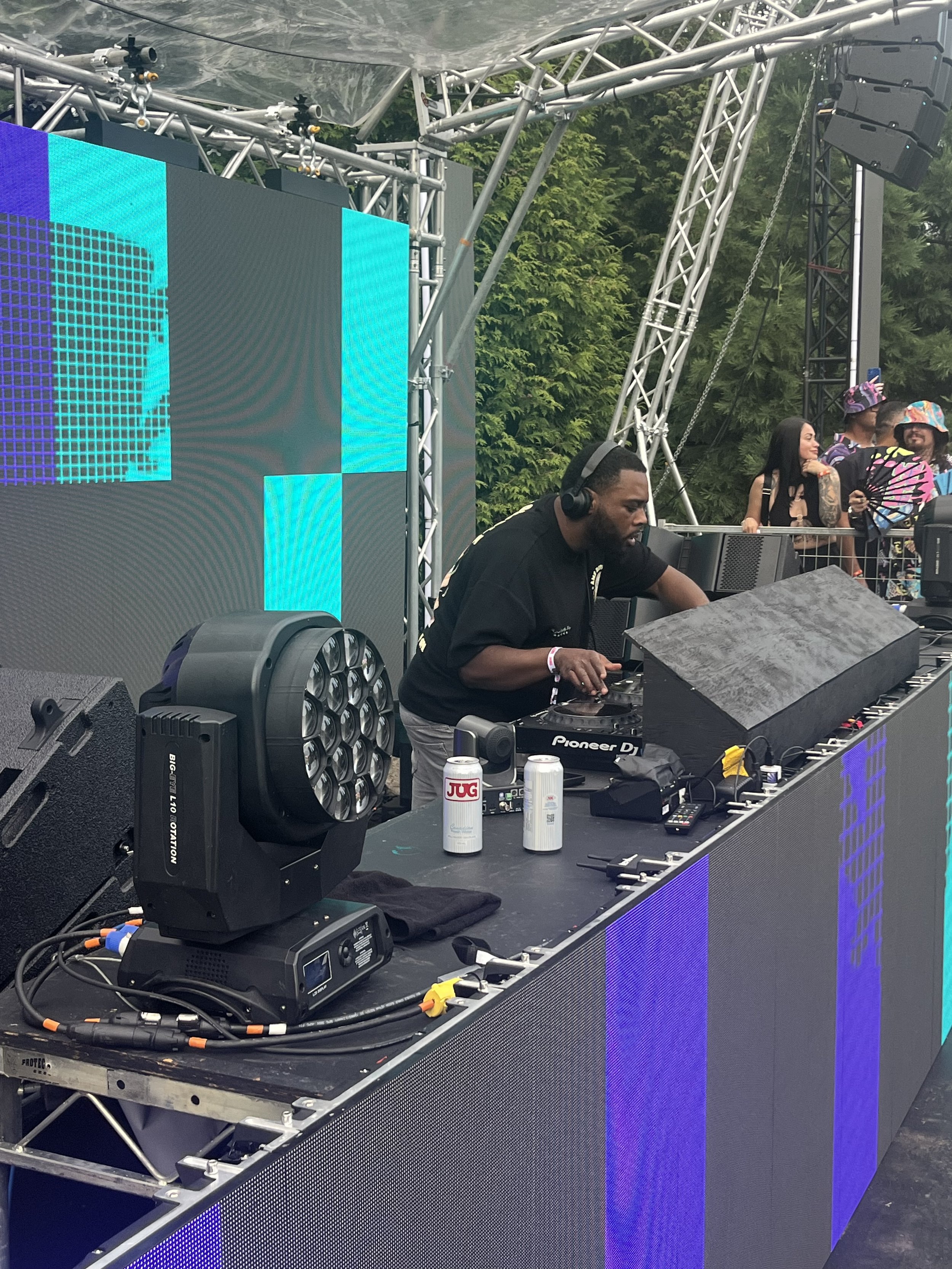
Champion (photo by Ryan Hayes)
The day one run of Champion, OMNOM, and MPH was the festival’s finest stretch of cohesive, wildly talented programming. Champion drew a crowd early for his first Vancouver appearance, with high spirits and infectious energy from the outset. OMNOM followed with a groove-first set built on chunky, low-slung basslines that prized rhythm above all else. MPH then brought it all home, cranking up the BPM and emphasizing relentless propulsion as he delivered his take on UK garage.
Day One: Legacy Meets the Next Wave
Outside of the Forest Stage, the mainstage still offered two major standouts on day one. After a two-year hiatus, GRiZ returned with an assertive sense of confidence, perfectly blending bass and soul. If his summer 2026 festival run was meant to serve as both a proving ground and springboard into the next era of his career, he absolutely crushed it. The set was wild, charismatic, and just funky enough to distinguish itself from the rest of the bass scene. On a personal note, I’ll always have a lingering preference for the more laid-back, funk-forward, jam-heavy version of GRiZ—but I understand there’s a time and place for both.
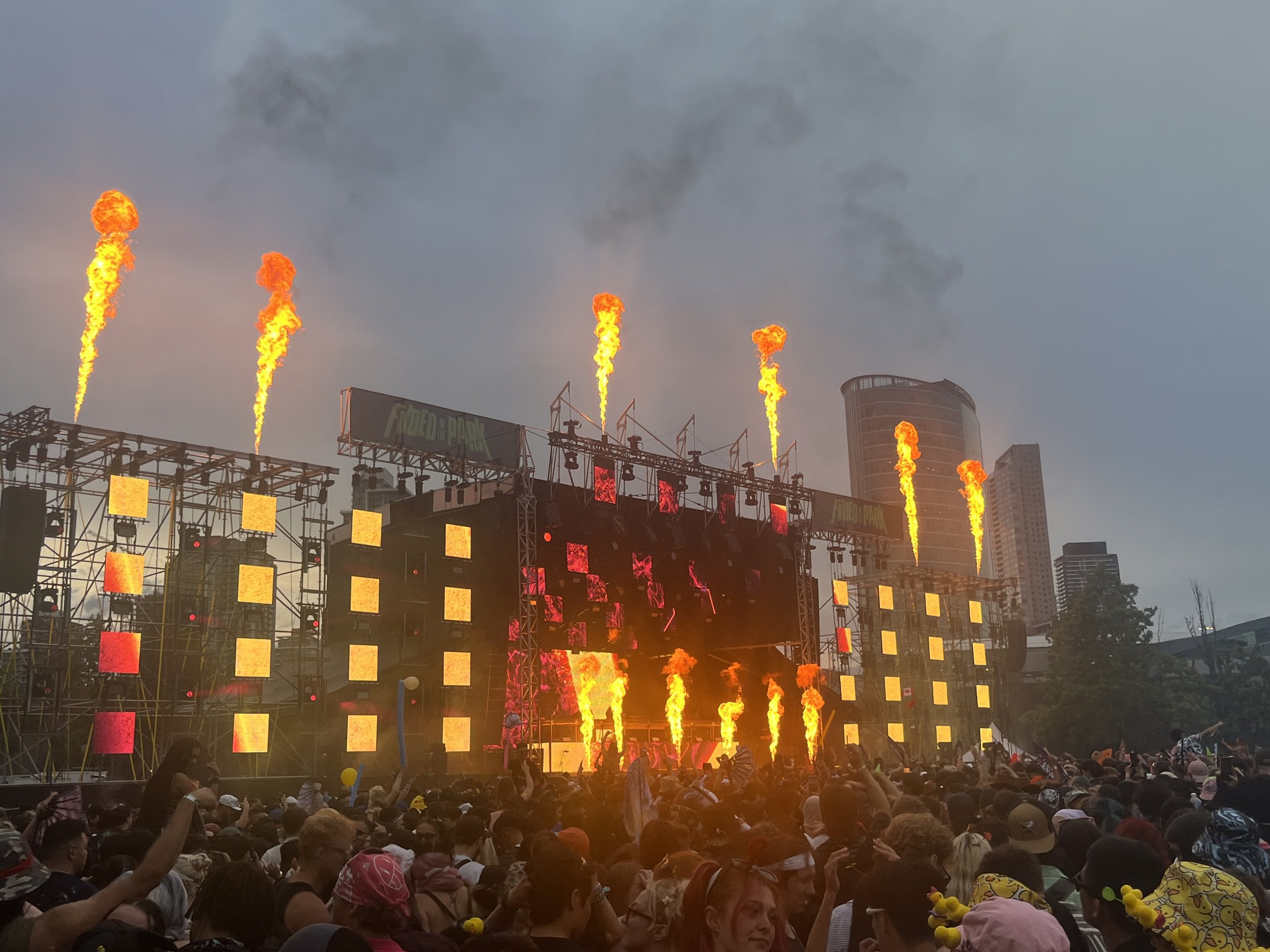
FISHER closed out night one, and heading into the set he was working from a deficit. I was exhausted, sore from hours of wandering the grounds, and honestly ready to call it a night. The personal hype just wasn’t there. I told myself I’d give him fifteen minutes—I stayed for the entire set.
In the four years since I last saw FISHER, he has fully honed the raw personality and relentlessly playful energy that make him a true festival headliner. After FVDED, I’m convinced he has become the face of modern festival house. By stripping the genre down to its most infectious ingredients—swaggering basslines, cheeky vocal hooks, and perfectly timed drops—he has mastered crowd phycology and distilled it into a signature blueprint that transforms a field of strangers into one massive communal celebration. It was just fun, and for an hour and a half I completely forgot I was coming unglued.
Day Two: Discovery Pays the Biggest Dividends
Breaking the seal on day two seemed, frankly, impossible…but that’s the unspoken contract of festival weekends: your body may be begging for mercy, but the music doesn’t care. Take the Advil, consume the caffeine, hydrate aggressively, refuel, and dive back into the depths of wobbles and synths with the reckless optimism of someone convinced they can absolutely do this again.
It may seem like the obvious choice, but the battle was real, and in hindsight—always worth it. Day two was less even keeled than day one but it brought higher individual moments, including my favourite set of the weekend.
Effin took my number one spot this year. Front to back, no notes. Slow waves of bass washed over the Forest Stage as he guided us on a carefully constructed journey through the heavier side of electronic music. A collision of heavy drops and intricate production, his set was one-part modern bass, one-part dreamy cerebral whimsy. The sun was out, my energy was at its peak, and Effin effortlessly punched a hole through the monotony that can creep into bass music’s sound design.
From there, it was off to the Northwest Tent, which was wildly overflowing for both Odd Mob and BUNT. While I’d always appreciated the occasional Odd Mob production, FVDED solidified him as a force to be reckoned with. His set was fluid, blurring the line between multiple genres—refreshingly unpredictable, and always groove-forward.
BUNT. took over the tent immediately afterward, and to say his charisma could hold down an arena would be an understatement. His stage presence was beyond infectious, oozing pure joy and an unmistakable zest for life. It was impossible not to get caught up in his set. Along with Effin, BUNT. is my biggest permanent playlist addition after this year’s festival.
The Next Generation Takes the Stage
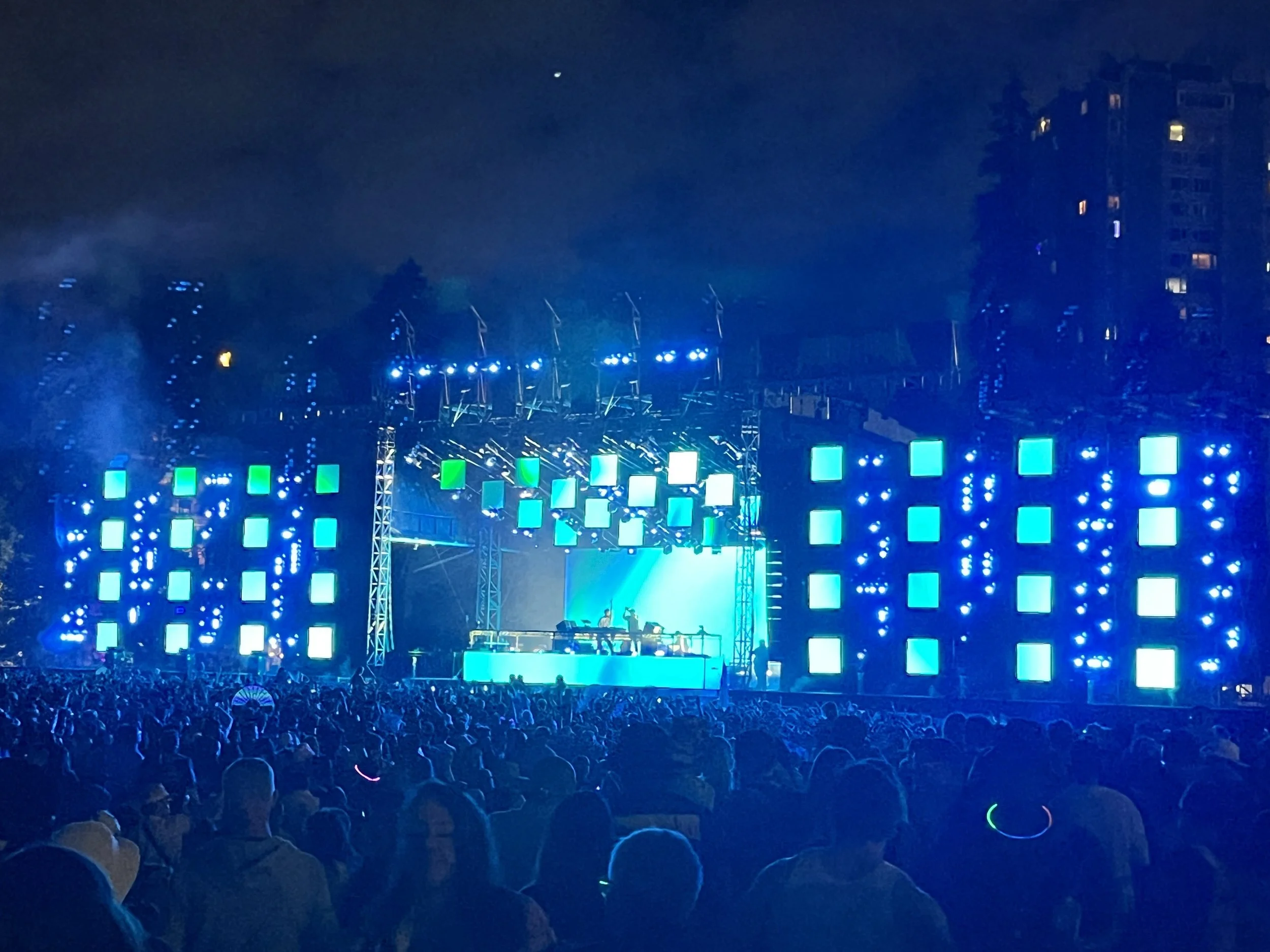
As with day one, the mainstage was my least frequented, with Oppidan and Dom Dolla being the only artists I truly experienced there. Oppidan’s consummate mixing and track selection were second to none, reinforcing one of my biggest takeaways from the weekend: come early. I didn’t get to see enough of her set—the aforementioned near failure to launch—but the extra space at the mainstage and the greater opportunity for discovery make arriving early essential.
Dom Dolla closed the festival and delivered a proper house thrashing. No gimmicks, no unnecessary theatrics—just expertly paced dancefloor energy, and relentless grooves from start to finish. Unfortunately his set also came with my biggest festival regret: not seeing more of Levity B2B Wooli. But the fact that I never seriously considered leaving is a testament to the quality of what Dom was building.
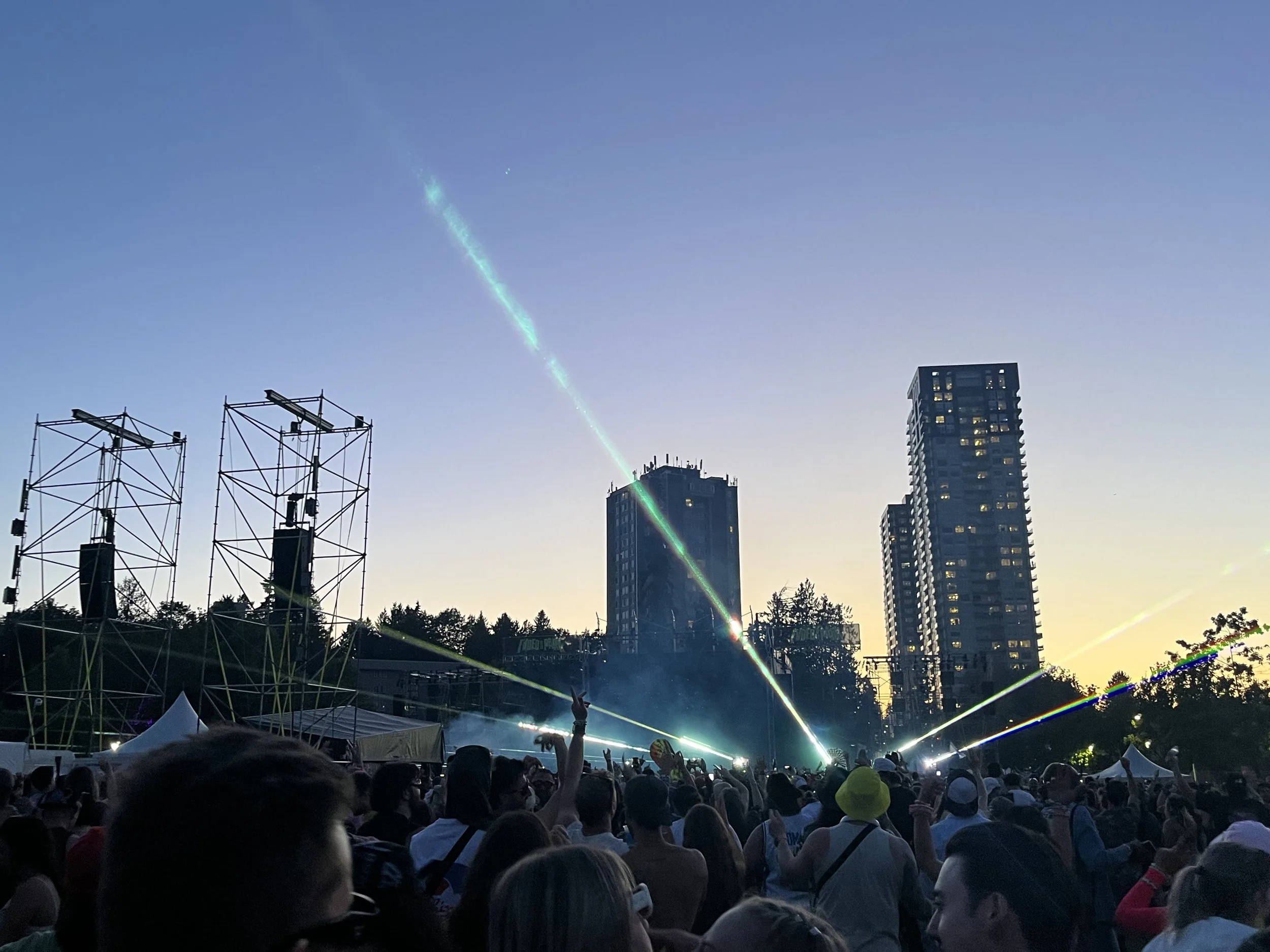
More than anything, he seemed genuinely taken aback by the size and energy of the crowd. It didn't feel rehearsed or obligatory—it felt authentic. That connection translated directly into the performance. Armed with an arsenal of originals and remixes now stretching back nearly a decade, Dom Dolla has firmly stepped into the role of modern EDM headliner. He's emblematic of a new generation finally taking the mantle, ensuring dance music continues to evolve without losing sight of what makes thousands of strangers want to move together in the first place.
Still Dancing
For a festival built around the idea of a new era, that might have been the most fitting conclusion. The names may change, the sound may evolve, and the knees may get a little worse—but the feeling remains exactly the same. FVDED 2026 wasn’t about recreating a golden age; it was about proving one might still be unfolding. Trust the curation, embrace discovery, and let the next wave prove why they belong.